There are no products in your shopping cart.
Plant of the Week
Lobelia
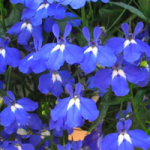
| Scientific name | Lobelia erinus |
| Common name | Lobelia |
| Type | Annuals |
| Variety | Annual |
| USDA Zone hardiness | 1 - 8b |
| Exposure | Full sun |
| Height | Under 1' |
| Spread | Under 1' |
A low growing perennial generally grown as an annual. Grown in full sun to shade, does better in the cooler weather and often goes out of bloom when it gets hot. Look for heat tolerant cultivars. Cut back after first bloom, fertilize and water to maintain flowering in the summer.
Recent Question from Gardeners
Question
Squirrels and Crocus Bulbs
I have used hardware cloth over crocus bulbs to foil chip monks. However, this year, squirrels pulled up pieces of cloth and ate the bulbs. What can I do when I replant bulbs?
Answer
Unfortunately there is no sure fire way to keep squirrels from causing mischief in the garden, however there are a few things you can try to keep them from eating your crocus bulbs. 1. Squirrels tend to dig up bulbs during the lean winter months when they are looking for anything to eat. During the winter you can cover the area with the bulbs with screen, holding it down with landscaping clips or stones. Cover the screen with mulch for extra protection and looks. In the spring once the bulbs begin to grow replace the screen with chicken wire and lightly cover with mulch to hide the chicken wire. 2. Because squirrels search for food with their nose there are a few scents that have been known to detour squirrels from digging. Cayenne pepper, regular pepper and other spices sprinkled over the bulbs may send the squirrels on their way. The spices do loose their potency so you will need to reapply regularly. 3. There are products on the market like fox and coyote urine that can be sprinkled or sprayed around the bulbs and have been known to work. These also need to be reapplied regularly. 4. Feed the squirrels during the winter if they aren't hungry they won't dig up your bulbs. Good luck squirrels are smart and relentless! Plant Life Online
WELCOME!
- Plant Life Online provides Gardeners a vast searchable index of Landscape Plants, Fruits & Vegetables. Gardening Questions? Ask our Horticulture Experts in the O&A section.


